
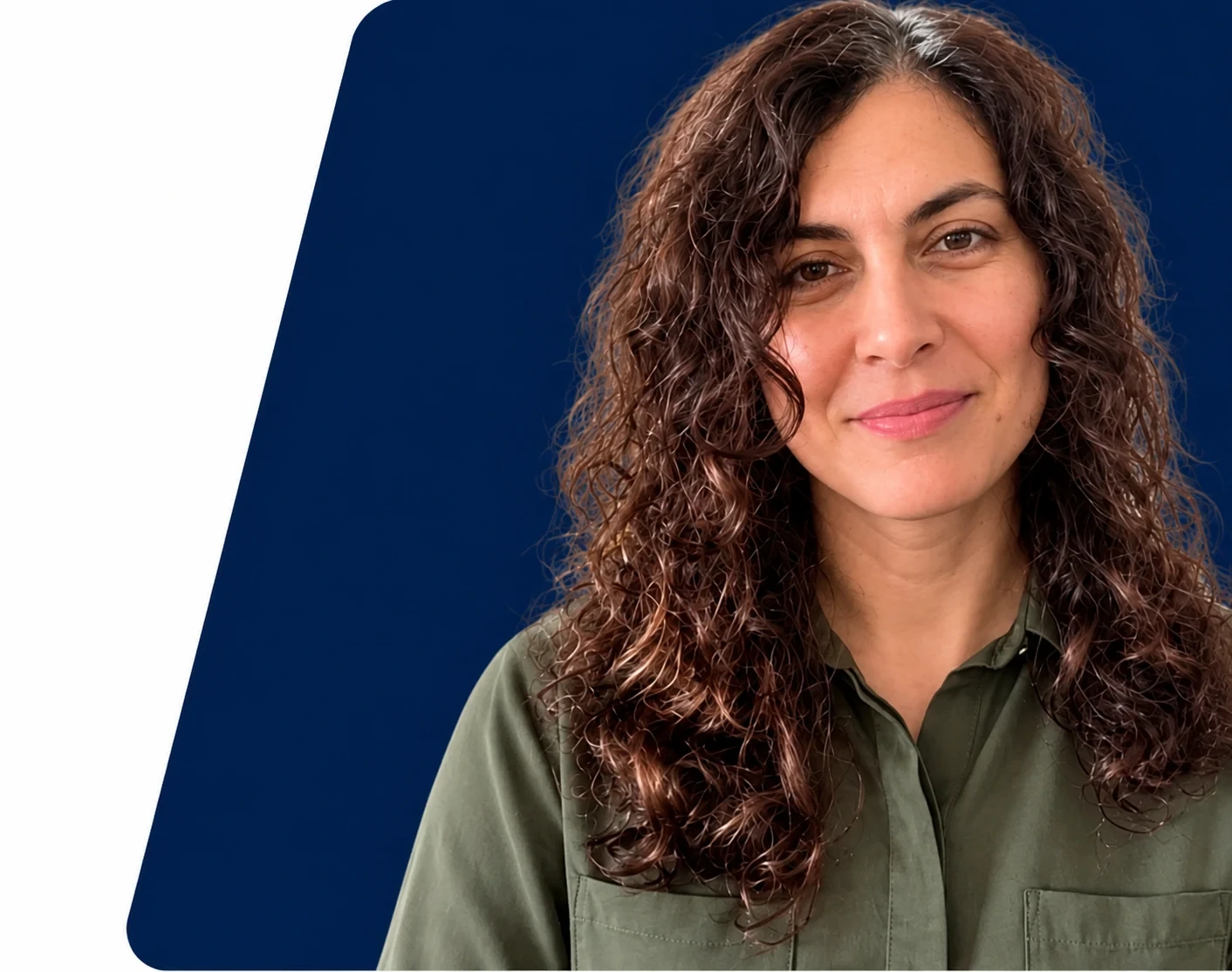
Isil Uluc had developed a research career across Türkiye, Europe, and the United States when she approached us about permanent residence. A neuroscientist working in brain imaging at Massachusetts General Hospital and Harvard Medical School, she had a PhD, international publications, and an established research record. We assessed her immigration options and developed an EB-2 NIW strategy around the progression of her career and her intended contribution. Her EB-2 NIW petition was approved under premium processing without a Request for Evidence.
Case at a glance
| Item | Case details |
|---|---|
| Profile | Neuroscientist and academic researcher working in brain imaging |
| Research environment | Massachusetts General Hospital and Harvard Medical School |
| Category | EB-2 National Interest Waiver |
| Strategic focus | Selecting the immigration route and evidence that fit her research profile |
| Process | Premium processing; no Request for Evidence |
| Outcome | I-140 NIW petition approved |
From an international academic career to a US research role
Isil began her academic training in philosophy in Türkiye. She later completed further graduate study in Austria and her doctorate in Germany before moving to the United States in September 2019.
Her US move followed a research job opportunity. She continued her work in neuroscience and brain imaging, progressing to a faculty position as an Instructor at Massachusetts General Hospital and Harvard Medical School.
By the time she considered permanent residence, she had already developed a professional life in the United States. Her goal was to establish a longer-term immigration path while continuing her research career.
Choosing the route that fit her profile
Isil initially asked whether EB-1A would be an appropriate option. We reviewed her academic background and supporting evidence and recommended proceeding with EB-2 NIW for this application.
That decision shaped the work that followed. We examined how her education, publications, research experience, and professional activities supported the work she intended to continue in the United States. The petition needed to explain both her ability to undertake that work and the contribution she proposed to make.
This was an individual strategy decision based on her profile. It was not a conclusion about which category every neuroscientist or researcher should choose.
Connecting the stages of her research career
Isil’s academic record contained achievements from different countries and different stages of her career. We selected supporting material that explained how those stages connected: her graduate training, doctoral research, subsequent US research experience, and continued professional development.
Her publications and citations formed part of that account. We considered them alongside her DAAD scholarship, supporting references, and professional activities, including organizing a neuroscience seminar series.
The preparation focused on what each item helped demonstrate. Academic credentials established her training; research work and publications showed how she had applied it; references provided informed assessments of her work. We connected those elements with her intended contribution in the United States.
How the evidence supported the petition
| Evidence | Its role in the case |
|---|---|
| Graduate education and research experience | Documenting her academic preparation and progression as a researcher |
| Publications and citation evidence | Showing her research output and its engagement with the wider scholarly community |
| DAAD scholarship | Supporting the record of recognition during her academic development |
| References from professionals in her field | Providing informed assessments of her expertise and research work |
| Organization of a neuroscience seminar series | Adding evidence of professional activity within the research community |
| Future work plan | Connecting her experience with the contribution she intended to make in the United States |
The references helped explain the research record from the perspective of professionals familiar with her field. We used them alongside the documentary evidence so the petition presented both the underlying work and supporting professional assessments.
The future plan then connected that background with her continued work in neuroscience and brain imaging. We explained the relevance of her research and the contribution she intended to make, keeping the focus on her own professional record and proposed work.
Preparation and approval without an RFE
Once the strategy was agreed, we worked with Isil to collect, review, and organize the supporting material. Her active participation helped us prepare the petition on a focused schedule and submit it using premium processing.
USCIS approved the I-140 NIW petition without requesting additional evidence. This completed the immigrant petition stage. The remaining permanent residence process was separate; the approval described here is not confirmation that a Green Card had been issued.
Throughout the preparation, communication was an important part of our work. We addressed questions as they arose and kept the document collection and review process moving toward submission.
Lessons for researchers considering EB-2 NIW
- Assess the immigration route alongside the evidence. A research career may support consideration of different categories, but the strategy should fit the individual record.
- Show how your academic work connects. Training, publications, recognition, and professional activities are more useful when their relationship to your proposed work is clear.
- Keep supporting records as your career develops. Scholarship documents, research records, and professional references can help substantiate achievements beyond a resume or CV.
For more information, visit our EB-2 NIW service page. You can also read Dr Benay Ozbay’s medical research case for another example of presenting an academic profile.
How we can help with your EB-2 NIW petition
At Celiksoy Immigration Lawyers, we assess your professional background, available evidence, and proposed work in the United States together. We identify the strengths of your profile and the gaps that need attention, then develop a petition strategy tailored to your circumstances. Our work includes selecting supporting documents, helping prepare recommendation letters, and explaining your proposed contribution clearly. If USCIS requests additional evidence, we review the request and prepare the response. This approach gives you a realistic assessment of your case and a strategy grounded in documented experience.
Request an EB-2 NIW preliminary assessment
Email your current resume or CV to us@celiksoylaw.com, or complete the EB-2 NIW preliminary assessment form. Include information about your professional background and the work you plan to pursue in the United States so we can evaluate your potential application options.
Outcomes depend on the facts, evidence, and requirements applicable to each case. Previous results do not guarantee a similar outcome.