
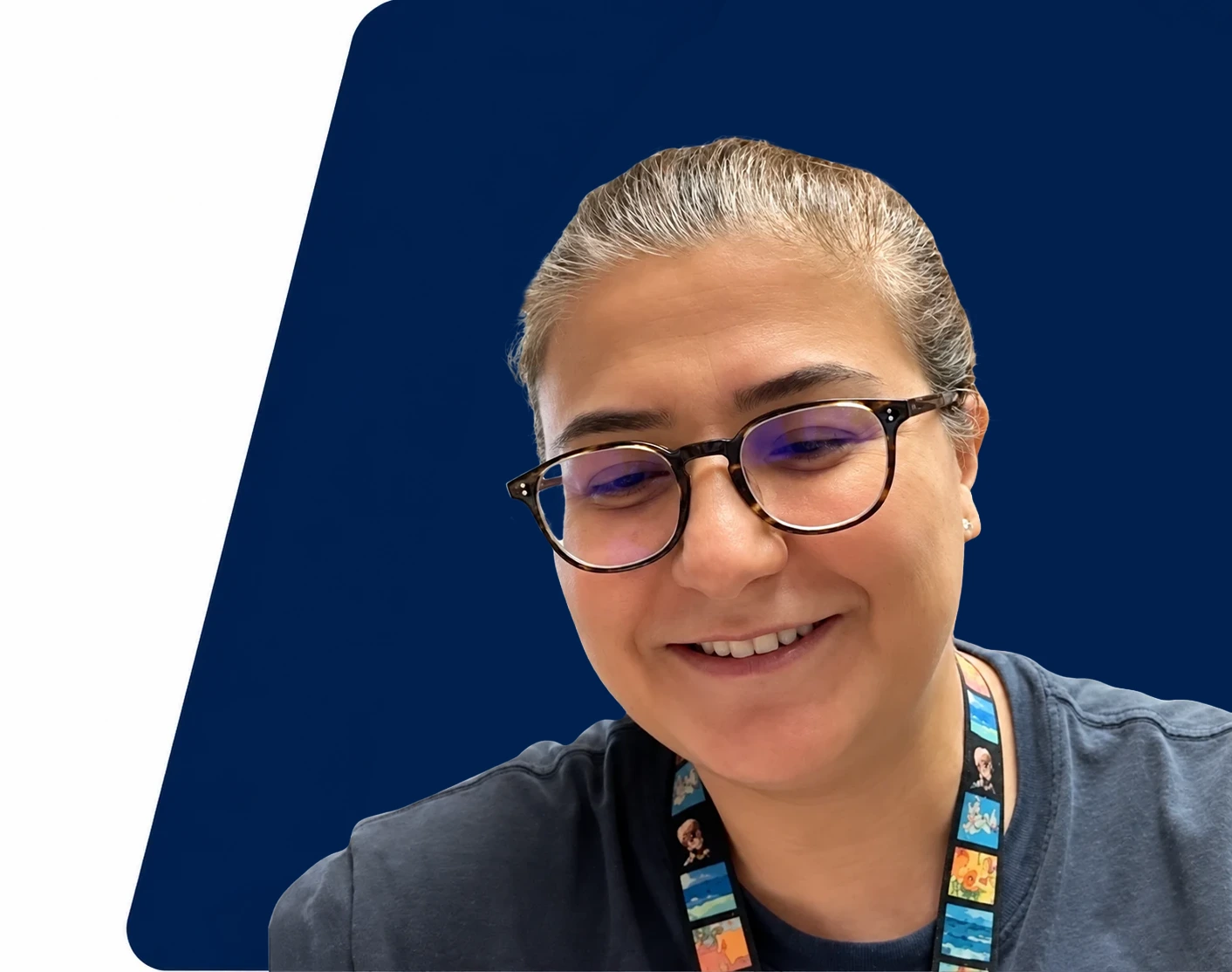
Dr Benay Ozbay had completed her medical education and cardiology training in Türkiye and was working as a Postdoctoral Research Fellow at the University of Pittsburgh when she approached us about EB-2 NIW. Despite her research record, she was unsure whether her publications and citations were enough. We assessed her clinical background, research responsibilities, and proposed contribution together, then developed the petition around that combined profile. Her EB-2 NIW petition was approved without a Request for Evidence, allowing her to move forward with her Green Card application.
Case at a glance
| Item | Case details |
|---|---|
| Profile | Cardiologist and Postdoctoral Research Fellow |
| Research institution | University of Pittsburgh |
| Category | EB-2 National Interest Waiver |
| Strategic focus | Connecting clinical training, research responsibilities, and proposed contribution |
| Outcome | EB-2 NIW approval without a Request for Evidence |
| Next stage | Permanent residence application submitted |
A research opportunity that became a long-term career plan
Benay completed her medical education and cardiology specialty training at Ege University. She initially went to the United States to expand her research experience and see how her profession was practiced in another country.
Her plans developed during her time at the University of Pittsburgh. She wanted to build a career that combined medical practice with research and began considering a longer-term future in the United States.
That professional direction was important to the NIW strategy. Her clinical training and research experience were connected parts of the career she intended to develop.
Assessing her profile beyond publication counts
Benay was concerned that she might need a much larger publication and citation record to qualify. We reviewed her resume and discussed the work behind it, including her medical training, publications, and involvement in clinical trials.
Her research responsibilities included both co-investigator and principal investigator roles. Those responsibilities added context to the publication record: they helped explain her involvement in conducting research, rather than showing only a list of completed papers.
We developed the petition around the relationship between her experience and her intended contribution to US healthcare. Publications and citations remained part of the evidence, alongside the professional work they reflected.
How we developed the NIW case
We connected her cardiology background in Türkiye with her subsequent US research career. The petition explained how her medical training informed her research work and how that experience supported the work she proposed to continue.
We selected documents that supported this account and organized them around the contribution she intended to make. The preparation involved examining both her research output and her responsibilities within research projects.
We also prepared the petition draft for her review. Benay contributed feedback on the description of her work, and we refined the wording together. This collaboration helped us present her professional experience clearly while keeping the scientific description accurate.
The role of the supporting evidence
| Evidence | Its purpose in the case |
|---|---|
| Medical education and cardiology training | Establishing her professional preparation and clinical background |
| Research experience and clinical trial responsibilities | Explaining her role in carrying out research and the experience supporting her proposed work |
| Publications | Documenting research output connected with her professional expertise |
| Citations | Providing evidence that her work had been referenced in the scholarly literature |
| Future work plan | Connecting her background with the contribution she intended to make in the United States |
The case focused on explaining what Benay had done and how it related to her future work. Her research roles helped us describe the substance of her experience; her publications and citation evidence supported the record of her research activity.
We used these elements to explain the wider significance of her work and her proposed contribution. They were evidence and arguments submitted in support of the petition, rather than a checklist of numbers that guaranteed an outcome.
Reviewing the strategy as the process developed
We also submitted an EB-1A petition as an additional strategy while considering the timing of her permanent residence path. After her EB-2 NIW petition was approved and she became eligible to file, we submitted her Green Card application.
This part of the case illustrates why the petition strategy and the next immigration stage need to be considered together. We continued reviewing the route as circumstances developed, rather than treating the initial plan as fixed.
NIW approval without an RFE
USCIS approved Benay’s EB-2 NIW petition without an RFE. We then submitted her Green Card application. Throughout preparation, we explained the scope of our work, prepared the draft, and coordinated the documents and review with Benay. Her feedback and timely participation helped us keep the preparation moving toward submission.
Lessons for physicians and medical researchers
- Look at the work behind your publication record. Research responsibilities can help explain experience that a list of papers alone does not show.
- Connect clinical training with your proposed research. Explain how your professional background supports the contribution you intend to make.
- Review the immigration strategy as circumstances change. Petition approval and eligibility to move to the next stage require separate attention.
For more information, visit our EB-2 NIW service page. For a different research profile, read Isil Uluc’s neuroscience case.
How we can help with your EB-2 NIW petition
At Celiksoy Immigration Lawyers, we assess your professional background, available evidence, and proposed work in the United States together. We identify the strengths of your profile and the gaps that need attention, then develop a petition strategy tailored to your circumstances. Our work includes selecting supporting documents, helping prepare recommendation letters when appropriate, and explaining your proposed contribution clearly. If USCIS requests additional evidence, we review the request and prepare the response. This approach gives you a realistic assessment of your case and a strategy grounded in documented experience.
Request an EB-2 NIW preliminary assessment
Email your current resume or CV to us@celiksoylaw.com, or complete the EB-2 NIW preliminary assessment form. Include information about your professional background and the work you plan to pursue in the United States so we can evaluate your potential application options.
Outcomes depend on the facts, evidence, and requirements applicable to each case. Previous results do not guarantee a similar outcome.