
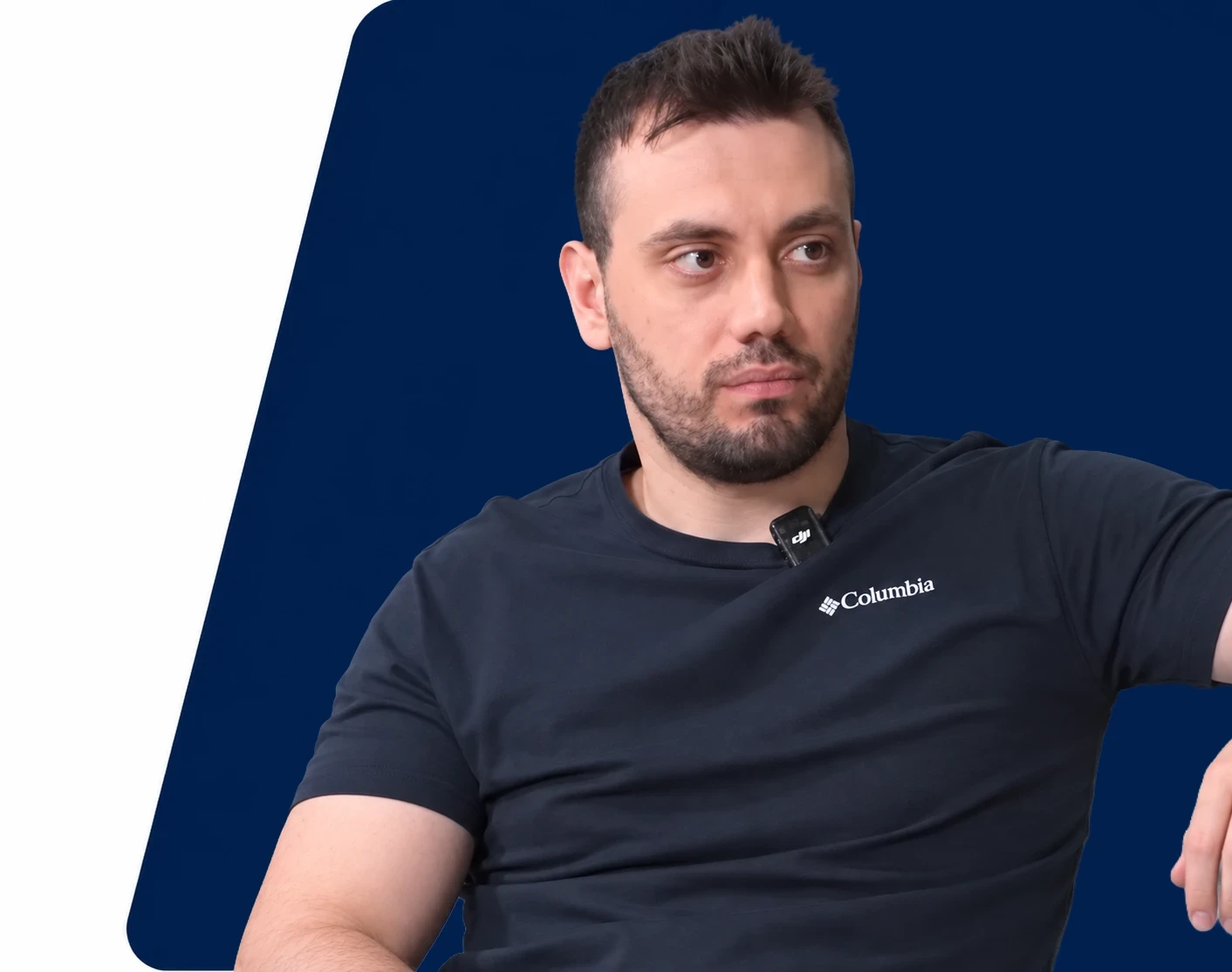
Orhan Aykan was 26 and at the beginning of his medical career when we developed his EB-2 National Interest Waiver petition. Working as a general practitioner in emergency medical services, he wanted to build a medical career in the United States. His relatively short professional record required us to explain what he had done during that time: the clinical situations he had encountered, the responsibilities he had undertaken and the intensity of his work. After a Request for Evidence and our response, his I-140 NIW petition was approved.
Case at a glance
| Item | Case details |
|---|---|
| Profile | Early-career general practitioner in emergency medical services |
| Category | EB-2 National Interest Waiver |
| Main challenge | Documenting the substance of a short post-graduation career |
| Process | Premium processing, an RFE and a response |
| Outcome | I-140 NIW petition approved |
Why Orhan wanted to develop his career in the United States
Orhan graduated from medical school in July 2023 and began working at an Emergency Medical Services Station in October that year. Earlier visits to the United States had prompted an interest in living there. As he progressed through medical school, he also explored the opportunities available to physicians and researchers.
His plan was to prepare for US medical licensing examinations, gain clinical exposure through observerships and participate in research. He wanted to develop his medical career in the country where he hoped to build his future.
An honest assessment before deciding to apply
Our initial discussions addressed both the strengths of his background and the limitations of applying early in his career. Orhan initially hesitated after we explained the challenges involved.
We discussed those concerns again, explaining the positive and more difficult aspects of his profile. He decided to proceed with a clearer understanding of the work the application would require. That conversation was an important part of developing the strategy: his ambitions needed to be supported by evidence of the experience he had already gained.
How we presented his clinical experience
A graduation date and a recent job entry would give a limited picture of Orhan’s work. We therefore looked closely at his activities as a general practitioner, including the clinical situations he had encountered and the responsibilities he had taken on in emergency medical services.
We worked with him to detail that experience and present supporting material. This allowed us to explain the professional substance of a period that appeared short on his resume. The application connected his practical experience with the contribution he intended to make to US healthcare and the career he wanted to develop.
The role of the supporting evidence
| Evidence | What it was intended to explain |
|---|---|
| Documentation of clinical activities | The scope of his practical work, the situations he encountered and his responsibilities |
| References from professors familiar with his work | Their observations of his clinical ability, work ethic and professional development |
| His future work plan | How he intended to build on his medical background and develop his career in the United States |
We supported the clinical documentation with references from professors who knew his work. These letters addressed his clinical ability, work ethic and professional development, adding their observations to the account of his experience.
We also set out how he intended to build on that experience in the United States. His work plan connected his medical background with his proposed contribution and explained the further professional development he planned to undertake.
An RFE response followed by approval
We filed the petition using premium processing. USCIS then issued a Request for Evidence, asking for further supporting material.
We reviewed the request with Orhan, obtained additional documentation from professors familiar with his work and prepared the response. Throughout this stage, we explained the steps involved and worked with him to gather the supporting material.
Following our response, his I-140 NIW petition was approved. The approval completed the immigrant petition stage; obtaining permanent residence involved separate further steps.
Lessons for an early-career NIW assessment
- Explain your responsibilities alongside your employment dates. A short entry on a resume may leave relevant experience unexplained.
- Keep records of your clinical and academic activities. Supporting material can help substantiate the work you describe.
- Define how you intend to build on your experience. A future plan should connect your existing background with your proposed work.
For more information, visit our EB-2 NIW service page. You can also read Dr Kivanc Yangi’s story for a different example involving medical training and research.
How we can help with your EB-2 NIW petition
At Celiksoy Immigration Lawyers, we assess your professional background, available evidence, and proposed work in the United States together. We identify the strengths of your profile and the gaps that need attention, then develop a petition strategy tailored to your circumstances. Our work includes selecting supporting documents, helping prepare recommendation letters, and explaining your proposed contribution clearly. If USCIS requests additional evidence, we review the request and prepare the response. This approach gives you a realistic assessment of your case and a strategy grounded in documented experience.
Request an EB-2 NIW preliminary assessment
Email your current resume or CV to us@celiksoylaw.com, or complete the EB-2 NIW preliminary assessment form. Include information about your professional background and the work you plan to pursue in the United States so we can evaluate your potential application options.
Outcomes depend on the facts, evidence and requirements applicable to each case. Previous results do not guarantee a similar outcome.