
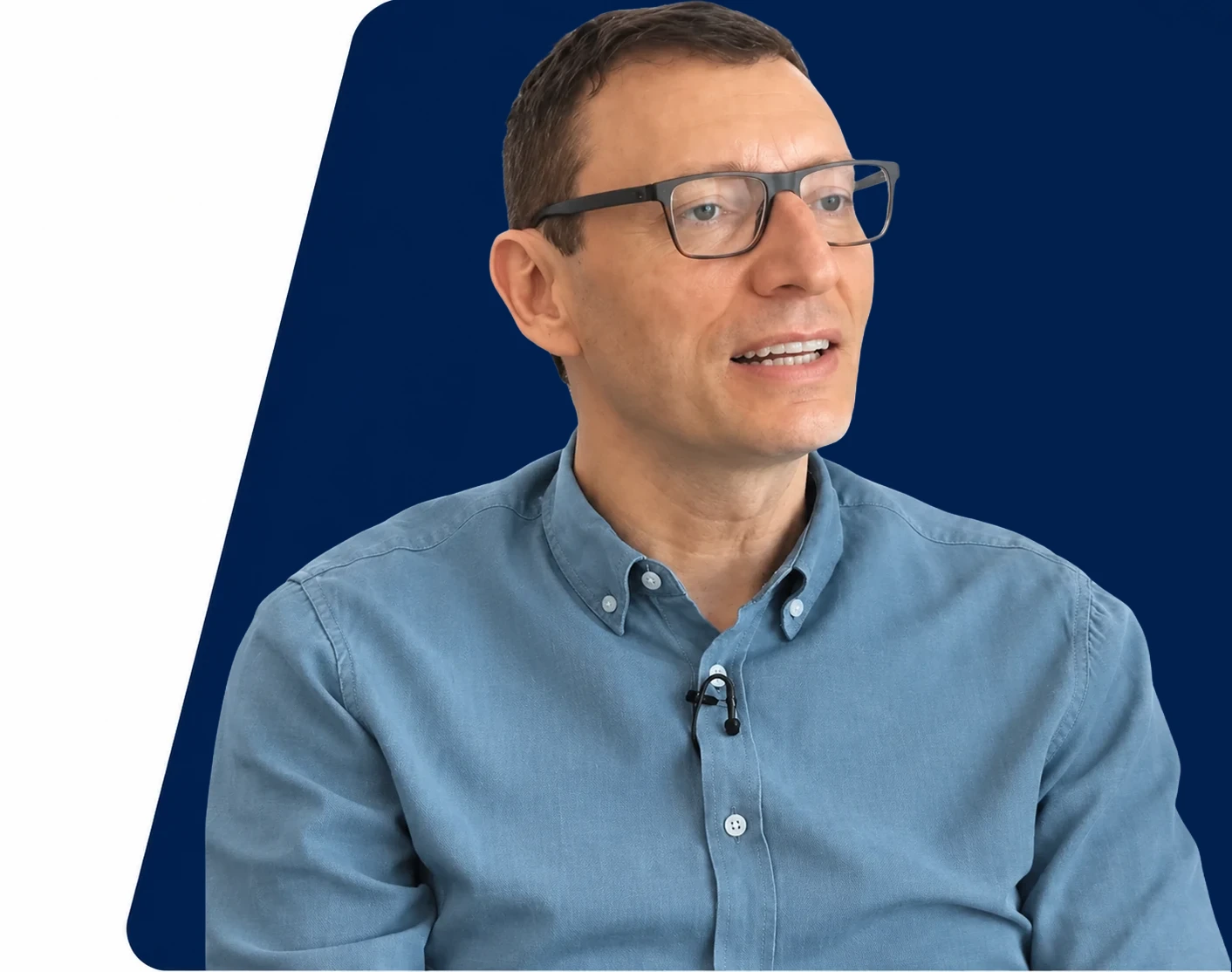
Mete Yuksel had approximately 30 years of experience in engineering, technology leadership, and consulting when he explored EB-2 NIW. His career had developed in industry rather than academia. We helped document the value of his professional work and connect that experience with the contribution he proposed to make in the United States. His EB-2 NIW petition was approved.
Case at a glance
| Item | Case details |
|---|---|
| Profile | Engineer, technology executive, and management consultant |
| Background | Engineering education, an MBA, and approximately 30 years of professional experience |
| Category | EB-2 National Interest Waiver |
| Strategic focus | Documenting professional contributions and explaining the proposed US work |
| Key evidence | Employment and project records, acknowledgment letters, professional references, and a business plan |
| Outcome | EB-2 NIW approval |
| Next stage at the time of the interview | Consular processing |
A professional record built outside academia
Mete’s career began in product management and technical work, then developed into IT project and program management, technology leadership, and consulting. He worked in large organizations and a multinational consulting business before also pursuing his own consulting activities.
He had long considered working and living abroad. When he discovered EB-2 NIW, the question became whether his industry experience could support an application.
We reviewed his resume, discussed his achievements and future plans, and explained the work needed to prepare the case. His record required evidence of professional contributions and a clear explanation of how that experience related to the work he intended to pursue in the United States.
Turning professional achievements into evidence
Mete knew his work had been valued by clients and colleagues. He had led projects, delivered presentations, and taken part in workshops and professional events. The preparation challenge was to turn that history into documents a reviewer could assess.
Photographs and personal recollections provided starting points. We discussed the additional records needed to explain his role and the value of the work. We supplied examples and templates to help him approach former employers, colleagues, and clients for supporting documentation.
He then worked back through his career, contacting people who could verify his employment and professional activities. Some organizations had closed or merged, making the collection process more involved. Former contacts helped him obtain records and letters describing the work he had carried out.
This process helped move the case from a list of positions to a documented account of his contributions.
Explaining the value of his consulting work
We used employment and project records, acknowledgment letters, and professional references to explain Mete’s work in context. These materials helped describe the activities he had undertaken, his role, and the value recognized by people familiar with the work.
The petition connected that evidence with his professional history. Rather than expecting a reviewer to infer the significance of a job title or a presentation, we explained what the supporting materials showed.
Developing a plan for his US contribution
Documenting past achievements was one part of the case. We also needed to explain the work Mete proposed to pursue in the United States and its wider importance.
We developed a business plan for that purpose. It helped organize the proposed work into a concrete account and connect it with his experience in technology and consulting. During preparation, we discussed why the plan mattered and how it supported the application.
Regular Zoom meetings allowed us to refine the strategy, review the evidence, and develop the written petition together. The professional record and future plan were presented as connected parts of the case.
How the evidence supported the petition
| Evidence | Its role in the case |
|---|---|
| Education and professional history | Explaining his qualifications and career development |
| Employment and project records | Documenting his roles and work |
| Acknowledgment letters | Supporting accounts of specific professional activities |
| Professional references | Providing context for his expertise and contributions |
| Business plan | Explaining his proposed US work and connecting it with his experience |
EB-2 NIW approval
The completed petition contained approximately 288 pages of supporting material. His EB-2 NIW petition was approved, and the next stage was consular processing.
The page count reflects the documentation assembled for this particular case. The preparation focused on making his professional contributions and proposed work understandable through relevant evidence.
Lessons for professionals in industry
- Document the value behind your job titles. Records explaining your work and role can be more informative than a list of senior positions.
- Contact former employers and clients early. Obtaining records from earlier stages of a career can take time.
- Develop a specific future plan. Explain how your experience supports the work you intend to pursue in the United States.
For more information, visit our EB-2 NIW service page.
How we can help with your EB-2 NIW petition
At Celiksoy Immigration Lawyers, we assess your professional background, evidence, and proposed work together. For industry professionals, this includes examining how achievements can be documented through projects, employment records, and professional references. We identify gaps, develop a strategy tailored to your circumstances, and prepare the petition and proposed endeavor description. When appropriate, we also help prepare recommendation letters and coordinate the presentation of a business plan. If USCIS requests additional evidence, we assess the request and prepare the response. Our approach gives you a clear assessment and a structured process for presenting your experience.
Request an EB-2 NIW preliminary assessment
Email your current resume or CV to us@celiksoylaw.com, or complete the EB-2 NIW preliminary assessment form. Include information about your professional achievements and the work you intend to pursue in the United States so we can evaluate your potential application options.
Outcomes depend on the facts and evidence in each case. Previous results do not guarantee a similar outcome.