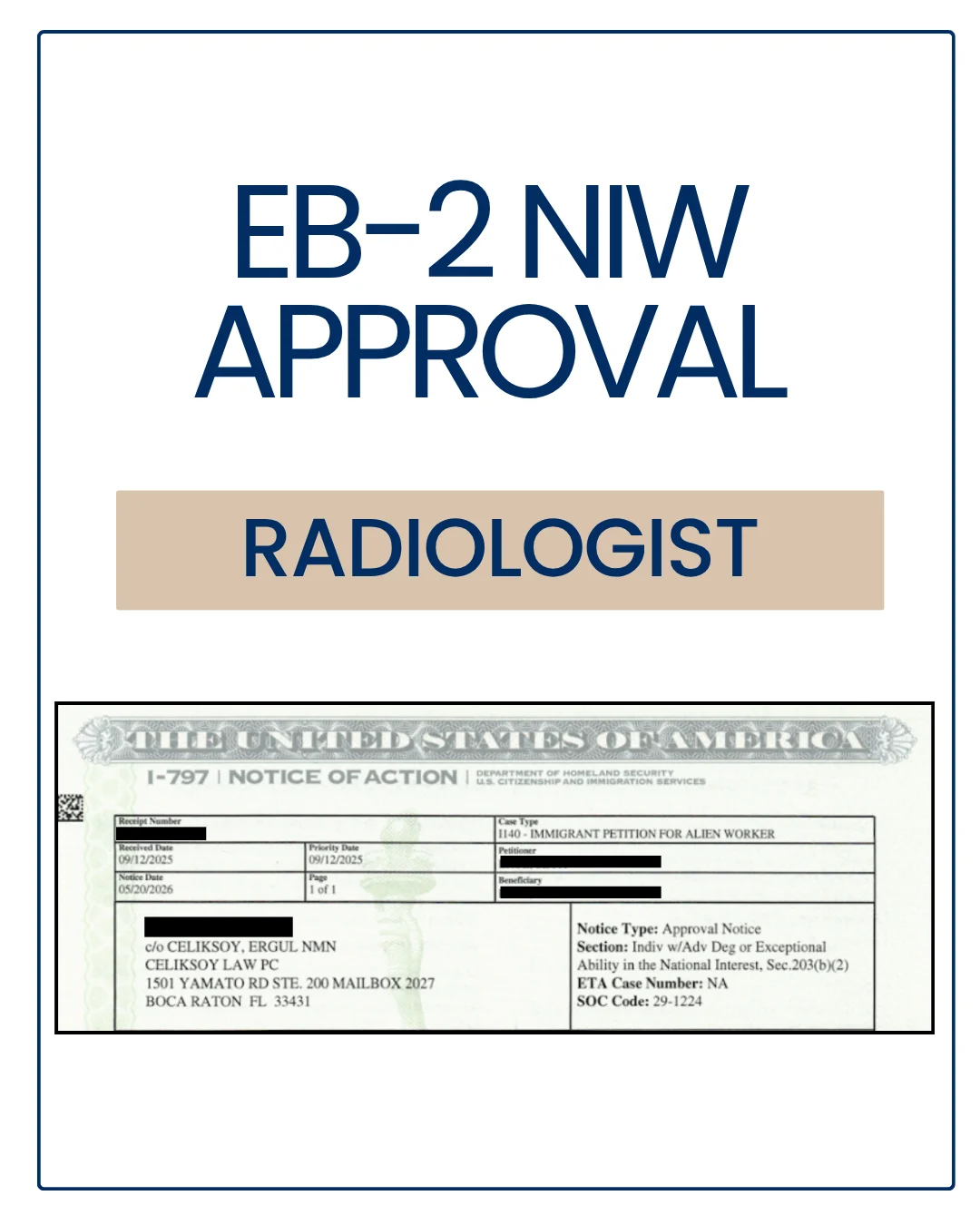
Our client’s research explores how medical imaging can reveal disease activity and help clinicians assess whether treatment is working. After earning his medical degree at Ege University, he completed his radiology residency at Necmettin Erbakan University, where he investigated MRI findings in patients with inflammatory bowel disease. His study examined imaging differences between active disease and remission, providing a foundation for his continued work in abdominal imaging. He subsequently served as an assistant professor of radiology at Selcuk University.
Our firm presented his clinical experience, academic work, and peer-reviewed research in support of a proposed endeavor focused on improving diagnostic imaging in the United States. The petition described his plans to refine MRI and magnetic resonance cholangiopancreatography protocols for evaluating complex liver, biliary, and pancreatic conditions, including pancreatic cancer and bile duct disease. It also addressed his planned integration of AI-assisted tools, explaining how more precise imaging could support earlier diagnosis, better risk assessment, and fewer unnecessary procedures.
A recurring thread throughout his work is the use of noninvasive imaging to answer questions that directly affect patient management. His earlier research asked whether MRI measurements could track changes in bowel inflammation; his proposed investigations extend that approach to other challenging abdominal conditions. With USCIS approval of his I-140 petition under the EB-2 National Interest Waiver category, his case brings together an established diagnostic research background and a focused plan to improve how imaging informs care.