
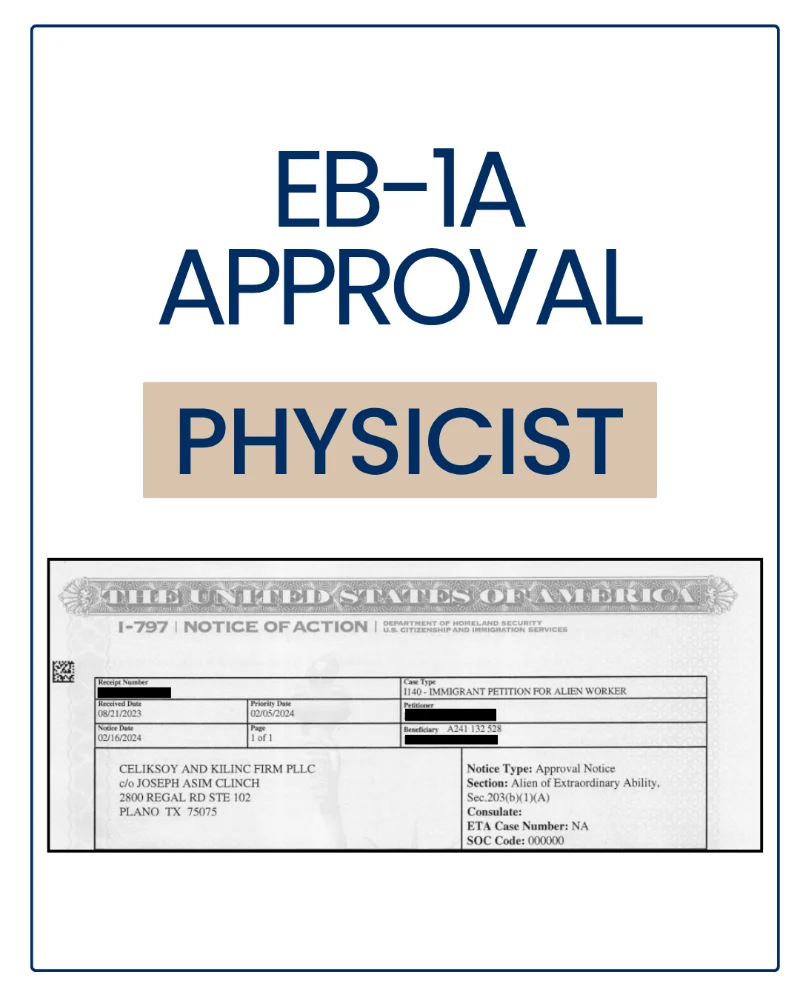
We secured USCIS approval of an EB-1A I-140 petition for a physicist researching graphene, atomically thin materials, and terahertz technology. The petition explained his contributions to collaborative research and connected those contributions with publications, citations, journal peer review, and expert assessments.
The central task was to make an experimental research career understandable through specific examples. We showed how his work in materials synthesis, device fabrication, and measurement contributed to a broader body of research, then presented evidence supporting its scientific significance and recognition.
Graphene devices that respond to electrical control
Our client’s research explores how thin materials can control electromagnetic waves. Graphene, a carbon material with an atomically thin structure, was a recurring platform in his work. His studies examined ways to change a device’s response by applying an electrical voltage.
The submitted publications included work on controlling the absorption, transmission, and phase of terahertz radiation. Terahertz waves occupy a region of the electromagnetic spectrum between microwaves and infrared light. Devices that can adjust their interaction with these waves are of interest for imaging, sensing, and communications research.
We highlighted experimental work on absorbers and modulators to explain this contribution. These studies addressed how graphene-based structures could actively change their response, offering a research path toward controllable components rather than surfaces with a fixed behavior. The petition connected the underlying physics with the potential applications described in the research.
From creating materials to measuring their properties
His expertise also extended to producing and characterizing low-dimensional materials. The record described contributions to the synthesis of thin carbon materials and the experimental setups used to investigate their properties. This work complemented his device research by addressing the materials from which future components might be made.
Another part of his experience involved terahertz measurement techniques for graphene films. His work included studying how such techniques could characterize large-area material during production. That research addressed the practical challenge of assessing material properties beyond a small laboratory sample.
We presented these activities as related strands of an experimental career: creating materials, integrating them into devices, and measuring their behavior. This gave the petition a scientific narrative grounded in the applicant’s work across the research process.
Explaining individual contributions within team projects
Much of the submitted research arose from collaboration. Publications established his participation, while expert letters helped explain the experimental skills and contributions he brought to particular projects. The petition described his role in synthesis, fabrication, and characterization alongside the findings of the research teams.
The record also included research on graphene-enabled adaptive surfaces and coverage of projects in which he participated. We used that coverage to explain the broader attention received by the work, keeping the team’s achievement and the applicant’s contribution distinct. A report about a collaborative project was presented in the context of that project.
Citation evidence added another perspective on the research’s reception. Together with expert assessments, it supported our argument about the significance of his work beyond the fact of publication. The focus was on explaining the contributions and the evidence available to evaluate them.
Peer review and scientific recognition
The petition described his evaluation of manuscripts in optics and photonics. The supporting record identified review activity that included assessing revised submissions as well as initial manuscripts. We presented this work as evidence of his role in evaluating other researchers’ studies, separately from his own publications.
We also included scientific society membership materials and information about research support. These documents had different functions within the record. Society membership concerned professional recognition; project funding, scholarships, and conference support explained aspects of his research environment and development.
Our presentation brought these materials together with the scientific contributions, citation record, and expert letters to argue that the overall evidence demonstrated sustained recognition and extraordinary ability in physics. USCIS approved the I-140 petition under the EB-1A classification.
Continuing a scientific career in the United States
His stated plans involved continuing research in physics and materials science, pursuing interdisciplinary collaboration, and contributing to scientific education. We linked those plans to the expertise documented in the petition, including graphene devices, experimental methods, and the characterization of emerging materials.
If you are considering an EB-1A petition as a physicist or materials researcher, an assessment can examine your individual contributions, their recognition, and the supporting documentation. You can contact us at us@celiksoylaw.com to discuss your research background and plans to continue your work in the United States.