
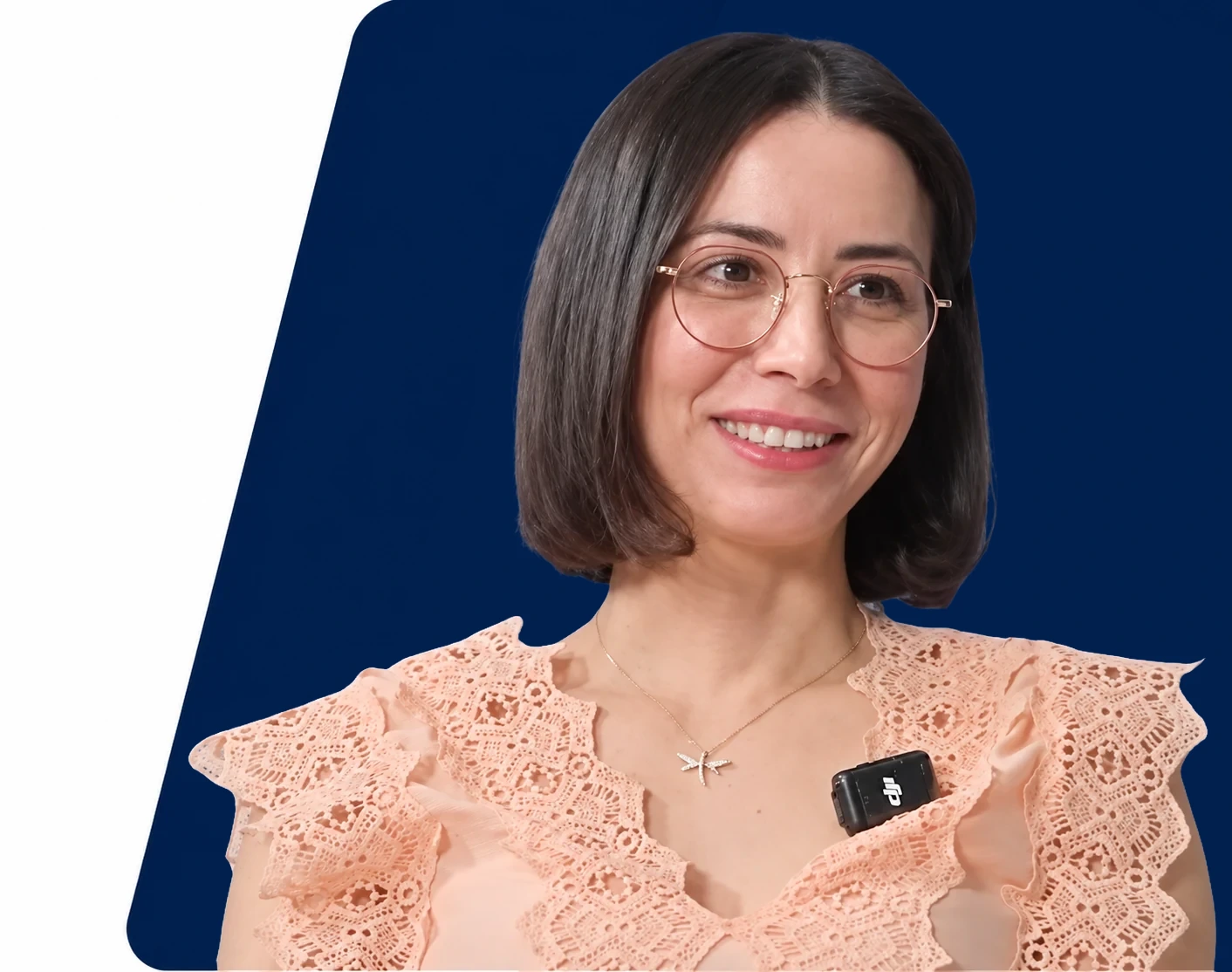
Dr Sanem Aykan had built a career spanning medicine, research, and academic teaching in Türkiye before pursuing permanent residence in the United States. We brought the different parts of that career together in an EB-1A petition, showing the work she had carried out and the recognition it had received. Her petition was approved under premium processing in approximately 10 days. She later completed the Green Card process and continued her career at Harvard Medical School/Massachusetts General Hospital.
Case at a glance
| Item | Case details |
|---|---|
| Profile | Physician, researcher, and academic |
| Professional background | Physical medicine and rehabilitation, physiology, and academic medicine |
| Category | EB-1A Extraordinary Ability |
| Evidence focus | Publications, peer-review work, awards and grants, media coverage, recommendation letters, and scientific contributions |
| Petition outcome | Approval under premium processing in approximately 10 days |
| Subsequent outcome | Green Card process completed |
A career combining clinical medicine and research
Sanem’s background included specialist medical training, a PhD in physiology, and academic experience as an associate professor in Türkiye. These were connected parts of a career that combined clinical knowledge with scientific research and teaching.
Her connection with the United States developed through a Fulbright scholarship and research at Harvard Medical School. That experience helped shape her goal of continuing a career in medicine, research, and education in the United States.
When she decided to pursue permanent residence, she initially considered preparing the EB-1A application herself. Reviewing the evidence requirements brought the complexity of the task into focus. Her professional achievements needed to be documented and explained in a coherent petition.
Turning an academic record into a clear EB-1A case
We developed the petition around Sanem’s work and the recognition she had received. Her publications formed one part of that record. Peer-review activities, professional awards and grants, media coverage, recommendation letters, and her wider contributions provided additional evidence of her standing in the field.
The preparation required more than assembling her resume and attaching documents. We selected and organized the evidence so that each part supported a clear account of her career. The petition connected her research output with the professional activities and recognition surrounding it.
This was the central challenge: a substantial academic record contains many different achievements, but the significance of those achievements is not always obvious to someone outside the field. Our role was to explain those connections and support the account with relevant documents.
How the evidence supported the petition
| Evidence | Role in the case |
|---|---|
| Publications | Documenting her scholarly work and research output |
| Peer-review activities | Showing her involvement in evaluating the work of other researchers |
| Awards and grants | Supporting the account of professional recognition and research support |
| Media coverage | Documenting public coverage of her work and achievements |
| Recommendation letters | Providing professional context for her contributions |
| Medical and academic experience | Connecting her research, clinical background, and teaching career |
We considered these materials together when presenting her achievements and wider contributions. The strength of the narrative came from explaining what the evidence showed about her work and professional standing.
EB-1A Approval in approximately 10 days
The completed application contained approximately 600–700 pages of arguments and supporting evidence. USCIS approved the EB-1A petition under premium processing in approximately 10 days.
The page count reflects the extent of the documentation in this particular case. The preparation focused on making that material relevant, organized, and understandable.
Sanem later entered the United States on an H-1B visa and completed the Green Card process. Her career continued at Harvard Medical School/Massachusetts General Hospital as a senior researcher, with teaching responsibilities involving medical students.
Lessons for physicians and medical researchers
- Consider the full professional record. Publications can be assessed alongside peer-review work, recognition, and other documented contributions.
- Explain the significance of your achievements. A reader outside your specialty needs to understand what you did and why the supporting evidence matters.
- Connect the different parts of your career. Clinical medicine, research, and teaching may together explain the professional trajectory behind your application.
Learn more about our approach on the EB-1A Extraordinary Ability service page.
How we can help with your EB-1A petition
At Celiksoy Immigration Lawyers, we review your professional history and available evidence to assess whether EB-1A is a suitable option. We identify the achievements that need supporting documentation and develop a petition strategy tailored to your circumstances. Our work includes organizing evidence, helping prepare recommendation letters when appropriate, and explaining the significance of your contributions. If USCIS requests additional evidence, we assess the request and prepare the response. This gives you a clear assessment and a structured approach to presenting your professional record.
Request an EB-1A preliminary assessment
Email your current resume or CV to us@celiksoylaw.com, or complete the EB-1A preliminary assessment form. Tell us about your professional background, achievements, and the work you intend to pursue in the United States so we can evaluate your potential application options.
Outcomes depend on the facts and evidence in each case. Previous results do not guarantee a similar outcome.